
If you’ve ever wondered how professional athletes bounce back from brutal training sessions day after day, you’re not alone. It’s not just about being genetically gifted or having access to fancy equipment. The real secret? They’ve mastered recovery.
I’ve spent years watching how elite athletes handle their downtime, and honestly, most of us are doing recovery all wrong. We think it’s just about flopping on the couch after a workout. But these pros treat recovery like another training session.
Here are five game-changing recovery strategies that top athletes swear by. The best part is you don’t need a million-dollar budget to try them.
Active Recovery Exercises
Complete rest isn’t always best. Elite athletes figured this out years ago. Instead of going full couch potato after intense training, they do something called active recovery. We’re talking light swimming, easy bike rides, or gentle walks. Nothing crazy.
Soccer players are masters at this. Ever notice how they do that slow jog around the field after matches? That’s not just for show. They’re keeping blood flowing to flush out all the metabolic waste that builds up during games.
The science backs this up, too. Active recovery helps clear lactate from your muscles way faster than just sitting around. Translation? Less soreness tomorrow.
After your next hard workout, don’t just collapse. Take a 10-15 minute walk instead. Your legs will thank you.
The Role of Nutrition
You can’t out-train a bad diet. Professional athletes know their bodies are basically high-performance machines, and machines need the right fuel. They’re not just grabbing whatever’s convenient from the fridge.
Take Djokovic, for example. Guy’s obsessed with what he eats, and it shows. He’s still dominating tennis in his late-30s while other players his age are retiring.
The magic window is right after your workout. That’s when your muscles are screaming for protein and carbs. Think chocolate milk, Greek yogurt with berries, or a solid chicken sandwich.
Most people focus too much on the workout and completely ignore what happens after. Your recovery starts the moment you finish exercising, and nutrition is a huge part of that equation.
Don’t overthink it, though. Lean protein, some carbs, plenty of water. Keep it simple.
The Power of Rest
Most athletes I know used to think sleep was for the weak. Then they learned better. LeBron James famously gets 12 hours of sleep during the season. That’s not lazy – that’s strategic.
Your muscles don’t actually get stronger during workouts. They get stronger while you’re sleeping. That’s when all the repair magic happens.
Basketball players have this figured out. They’ll literally schedule naps between practices because they know that showing up tired is basically useless.
But real rest isn’t just about sleep. It’s about giving your mind a break, too. Meditation, deep breathing, or even just sitting quietly for 10 minutes. Your nervous system needs downtime just as much as your muscles do.
Pro tip: Put your phone away an hour before bed. Blue light messes with your sleep quality, and quality matters more than quantity.
Cold Water Therapy
Cold water therapy sounds fancy, but it’s really just jumping in cold water or taking freezing showers. Marathon runners have been doing ice baths forever, and there’s a reason why.
The cold does two things: it reduces inflammation, and it forces blood to circulate differently. When you get out, fresh blood rushes back to your muscles, bringing nutrients and flushing out waste.
Rugby players swear by this stuff. They’ll sit in garbage cans filled with ice water after practice. Sounds miserable? Absolutely. But they recover faster than anyone.
You don’t need a fancy setup. Start with 30 seconds of cold water at the end of your shower. Work up from there. Fair warning: the first few times are brutal. But your body adapts quicker than you’d think.
Massage and Self-Myofascial Release
Professional massage is amazing, but let’s be real – most of us can’t afford a massage therapist on speed dial.
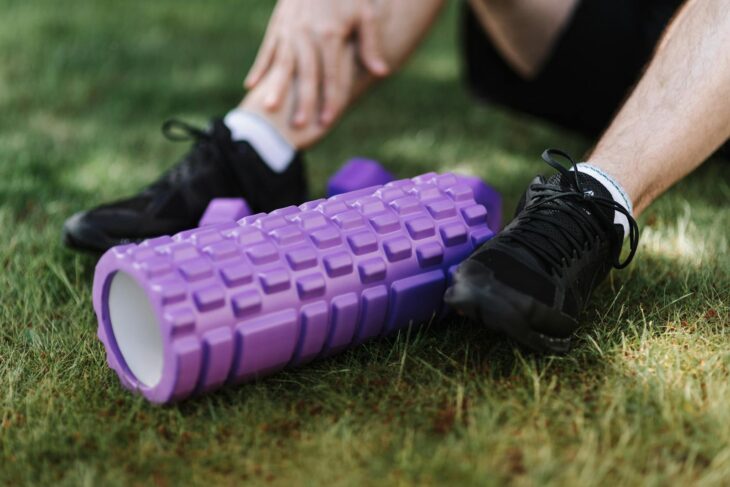
That’s where self-massage comes in. Foam rollers, massage balls, or even tennis balls work great. The goal is to break up knots and tight spots before they become bigger problems.
Athletes use massagers all the time because they can target specific areas that are giving them trouble. It’s like having a massage therapist in your gym bag.
I’ll be honest – foam rolling isn’t fun. It can hurt like crazy when you hit a tight spot. But that’s exactly why you need to do it. Those tight spots are injuries waiting to happen.
Spend 10 minutes after workouts hitting your major muscle groups. Your IT band, calves, quads, and upper back usually need the most attention.
The Bottom Line
Recovery isn’t optional if you want to keep improving. These five strategies can completely change how you feel and perform.
You don’t have to do all of them at once. Pick one or two that seem doable and start there. Your future self will definitely appreciate the effort.